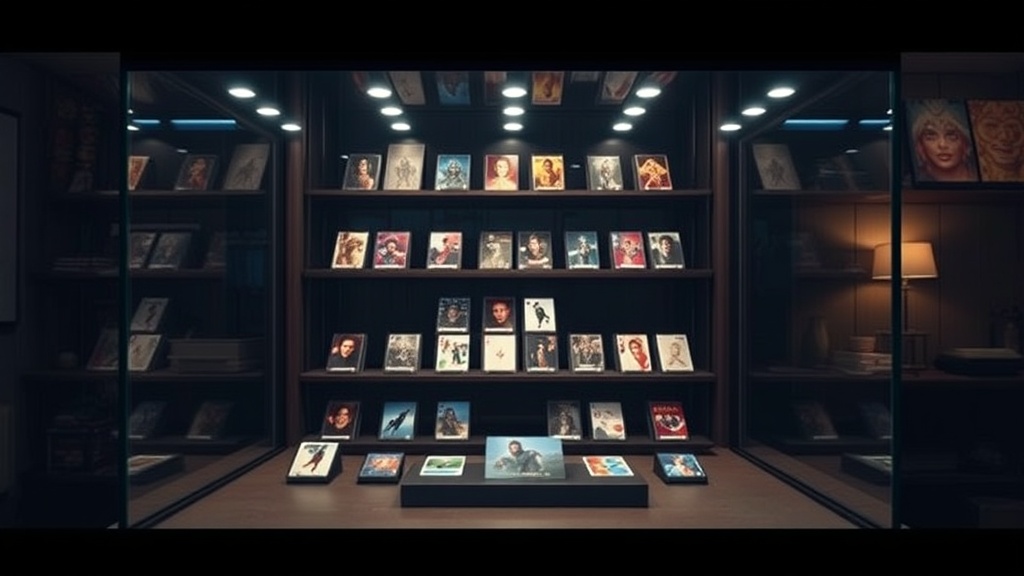
Building a Premium Display Case for Your High End Cards

You just spent three months hunting down a pristine, Alpha-edition Black Lotus or a high-grade Charizard, and now it's sitting in a generic plastic bin. That's a mistake. A high-end display case isn't just about showing off your wins; it's about environmental control and long-term preservation. This guide breaks down how to select, build, or buy a display system that protects your most valuable assets from UV rays, humidity, and dust.
Most collectors think a glass box is enough. It isn't. If your display sits in a sunny corner of your office, that sunlight is actively bleaching the ink on your cards. You need a system that prioritizes stability over aesthetics alone.
What Materials Protect Cards from UV Damage?
The best materials for protecting cards from UV damage are UV-resistant acrylic or museum-grade glass paired with UV-blocking film. Standard glass offers almost zero protection against the ultraviolet spectrum, which can cause colors to fade and even degrade the card stock itself.
Acrylic is often the preferred choice for hobbyists because it's lighter and more shatter-resistant than glass. However, you have to be careful about "off-gassing." Some cheap plastics release chemicals as they age, which can create a film on your card sleeves or even damage the surface of the card. If you're displaying high-value slabs, look for brands like Gemini Collector or high-quality acrylic cases that specify they are acid-free.
Here are the three main types of barriers you'll encounter:
- Standard Glass: Cheap and easy to find, but offers negligible UV protection.
- Tempered Glass: Much stronger and safer if a shelf fails, but still requires a UV coating to prevent fading.
- UV-Rated Acrylic: The gold standard for home displays. It blocks a significant percentage of harmful rays and is much more durable for long-term use.
If you're serious about the longevity of your collection, you should also look into archival quality materials. This ensures that the materials touching your cards—or even the air inside the case—won't cause chemical reactions that ruin the card's surface.
I've seen too many collectors lose value because they ignored the basics of storage. If you want to understand the nuances of preservation, read my previous piece on how to protect your card value.
How Much Does a Premium Display Case Cost?
A premium display case can cost anywhere from $50 for a single-card pedestal to over $500 for a large, custom-built cabinet with integrated lighting and climate control. The price varies wildly based on the material, the size of the collection, and whether the unit includes specialized features like LED lighting or humidity control.
Don't assume a higher price tag always means better protection. Sometimes, a $200 professional-grade acrylic case is actually better than a $1,000 wooden cabinet that hasn't been treated for moisture. You're paying for the engineering, not just the wood.
| Case Type | Typical Cost | Best For | Main Weakness |
|---|---|---|---|
| Single Slab Pedestal | $30 - $75 | Graded cards (PSA/BGS) | Limited display space |
| Acrylic Multi-Card Case | $100 - $250 | Small collections/Sets | Susceptible to scratches |
| Custom LED Showcase | $400 - $1,000+ | Centerpiece displays | Requires electricity/heat management |
When budgeting, remember that the case is an investment in the card's resale value. A poorly lit or unprotected display can actually decrease the value of the items inside. It's a bit of a paradox—you want people to see the card, but you don't want them to see it too much.
How Do I Prevent Humidity Damage in a Display?
To prevent humidity damage, you must use silica gel packets or an active dehumidifier inside a sealed or semi-sealed display environment. Moisture is the enemy of paper; it causes warping, curling, and in extreme cases, can even lead to mold growth within the card fibers.
If you're building a custom setup, don't just throw a handful of silica packets in there and call it a day. Those packets have a saturation point. Once they've absorbed all the moisture they can, they stop working. You'll need to replace or "recharge" them periodically.
A pro tip: Use a digital hygrometer. These are small, inexpensive devices that tell you the exact humidity level in a specific area. If you see the humidity creeping above 50%, you know you need to act. It’s a simple way to keep an eye on your environment without guessing.
For those who want to go the extra mile, consider the following steps for a professional-grade setup:
- Seal the Case: Use high-quality gaskets or silicone to ensure the case is relatively airtight.
- Add Desiccants: Place silica gel packets in the base or hidden compartments of the display.
- Monitor Regularly: Use a hygrometer to track fluctuations in the room and the case itself.
- Control the Room: A display case is only as good as the room it's in. If your basement is damp, your case will struggle.
I've spent a lot of time thinking about how to maintain a collection that actually stays valuable. If you're just starting out, you might want to check out my guide on starting a collection that gains value. It covers the mindset you need before you start buying expensive glass and acrylic.
Lighting is another massive factor. LED lights are generally safe because they produce very little heat, but even they can emit some UV radiation. If you're using a display with built-in lighting, ensure the LEDs are "cool" and, ideally, UV-filtered. Heat is just as dangerous as light; if your display gets hot, the air inside expands, which can actually pull in outside air and introduce moisture.
The goal is a static environment. No heat spikes, no light spikes, no humidity spikes. That's how you keep a card in a slab looking like it just came from the factory for the next twenty years.