
How to Start a Trading Card Collection That Actually Gains Value Over Time

Most people start collecting trading cards the same way: a few random packs, a binder that fills up fast, and eventually… a pile of cardboard that isn’t worth much. If you’re going to spend money and time on this hobby, you might as well build a collection that holds — or grows — its value.
This is the exact approach I’ve seen work repeatedly. It’s not flashy. It’s not about luck. It’s about making smart, repeatable decisions.
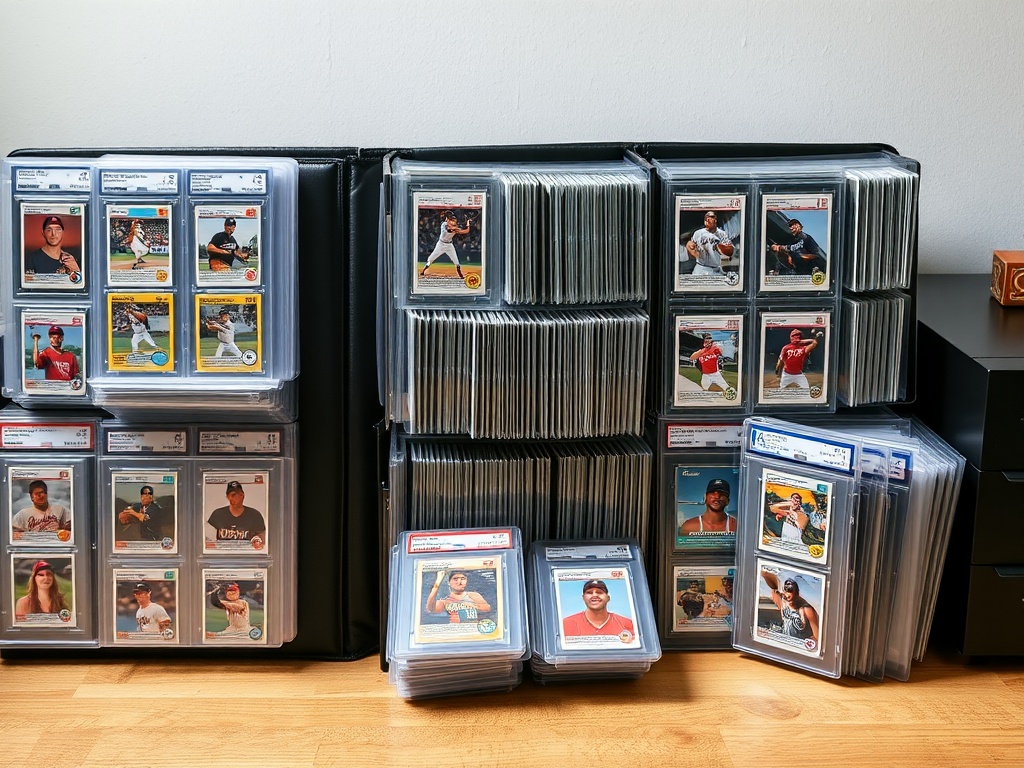
Step 1: Decide What Kind of Collector You Actually Want to Be
Before you buy anything, you need clarity. Are you a flipper chasing short-term hype? A long-term investor? A nostalgia-driven collector? Most people blur these lines and end up making inconsistent purchases.
The collectors who build value pick a lane early. If your goal is value growth, your mindset needs to shift from "what looks cool" to "what has staying power."
- Focus on established franchises
- Prioritize scarcity over quantity
- Avoid impulse buys
It sounds simple, but this step alone filters out 80% of bad decisions.

Step 2: Learn the Difference Between Junk and Value
Not all cards are created equal — even within the same set. You need to train your eye.
Value tends to cluster around:
- First editions and early print runs
- Cards featuring iconic characters or players
- Low population graded cards
- Misprints and rare variants
The mistake beginners make is assuming rarity symbols alone determine value. They don’t. Demand matters just as much.
If nobody wants the card, it doesn’t matter how rare it is.
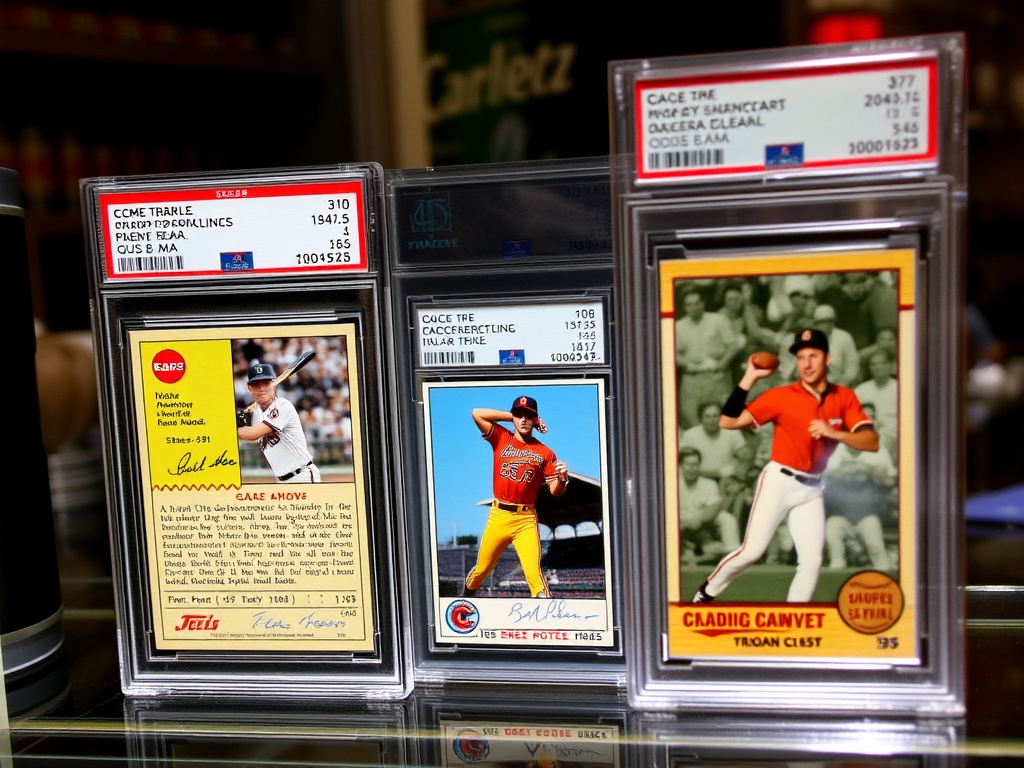
Step 3: Buy Fewer Cards — But Buy Better Ones
This is where most collections fall apart. People chase volume because opening packs is fun. But bulk rarely holds value.
A better strategy is to allocate your budget toward:
- Singles instead of packs
- Already graded cards in high condition
- Cards with proven sales history
Opening packs should be entertainment, not your investment strategy.
If you’re serious about value, treat every purchase like you might need to resell it tomorrow.
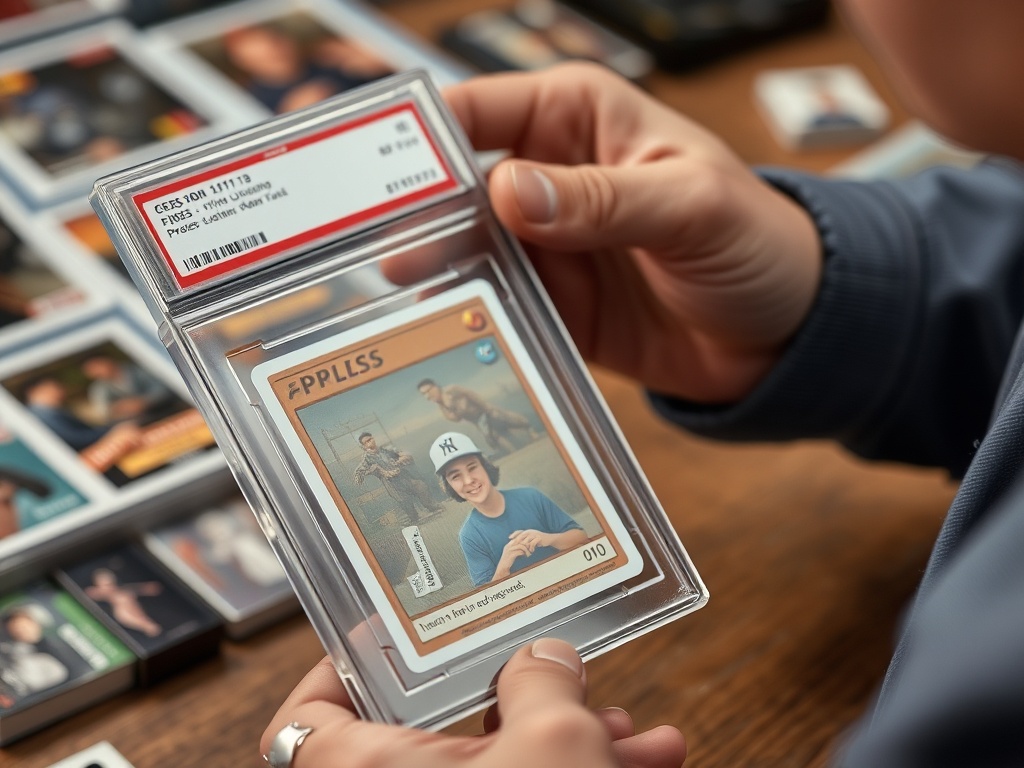
Step 4: Protect Your Cards Like They’re Already Valuable
Condition is everything. A card can lose most of its value from a single scratch or bent corner.
At minimum, you should be using:
- Penny sleeves
- Top loaders or semi-rigid holders
- Binders with side-loading pockets
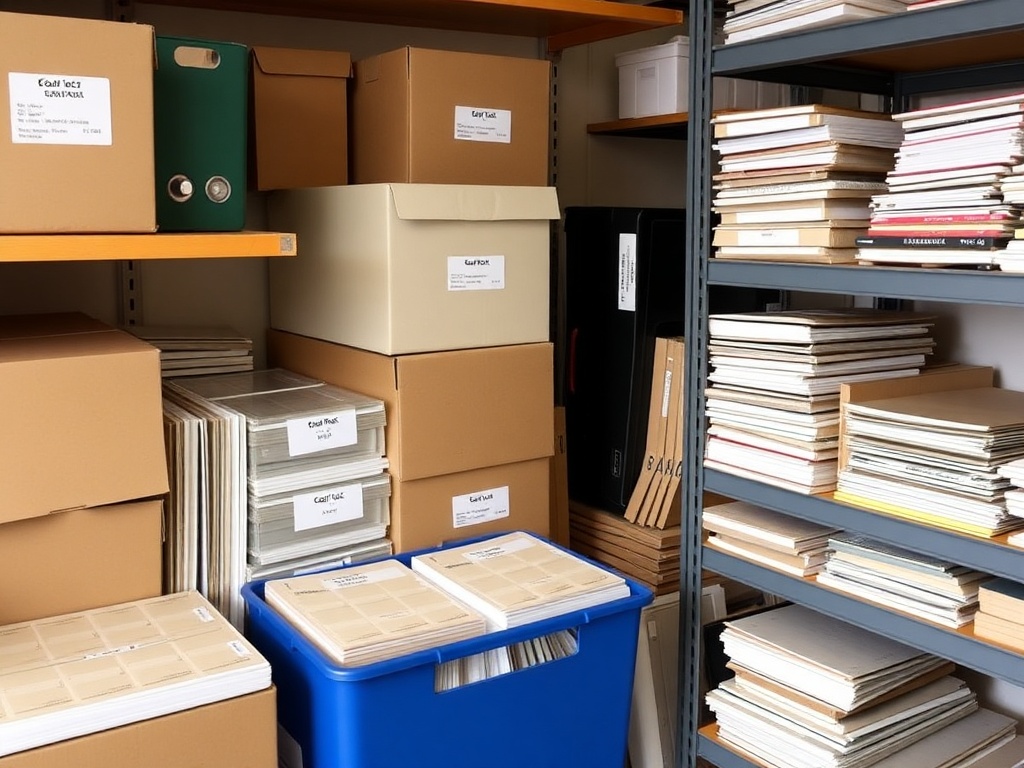
And just as important: storage environment. Avoid heat, humidity, and direct sunlight.
A near-mint card stored poorly becomes a mediocre card quickly.
Step 5: Understand Grading (Even If You Don’t Use It Yet)
Grading is one of the biggest value multipliers in trading cards. But it’s also misunderstood.
You don’t need to grade everything. In fact, you shouldn’t. But you do need to understand how grading impacts value.
Key points:
- Condition differences between grades can mean huge price swings
- Not all cards are worth grading
- Population reports influence long-term value
A raw card and a graded version of the same card can live in completely different price tiers.
Step 6: Track the Market (Without Chasing Every Trend)
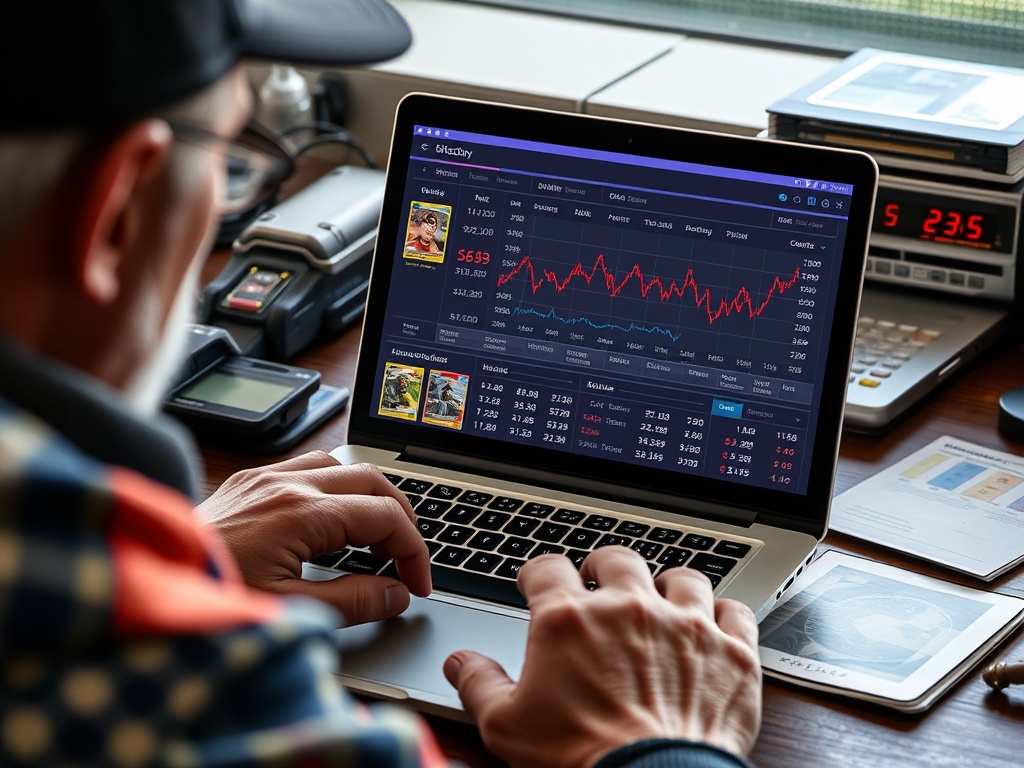
The trading card market moves in cycles. Prices spike, cool off, and stabilize. The worst thing you can do is buy at peak hype.
Instead:
- Watch recent sales, not listing prices
- Look for consistency, not spikes
- Be patient during dips
The goal isn’t to time the market perfectly. It’s to avoid obvious mistakes.
If a card has doubled in a month, you’re probably late.
Step 7: Keep Records Like a Serious Collector
This is the unglamorous part — and one of the most important.
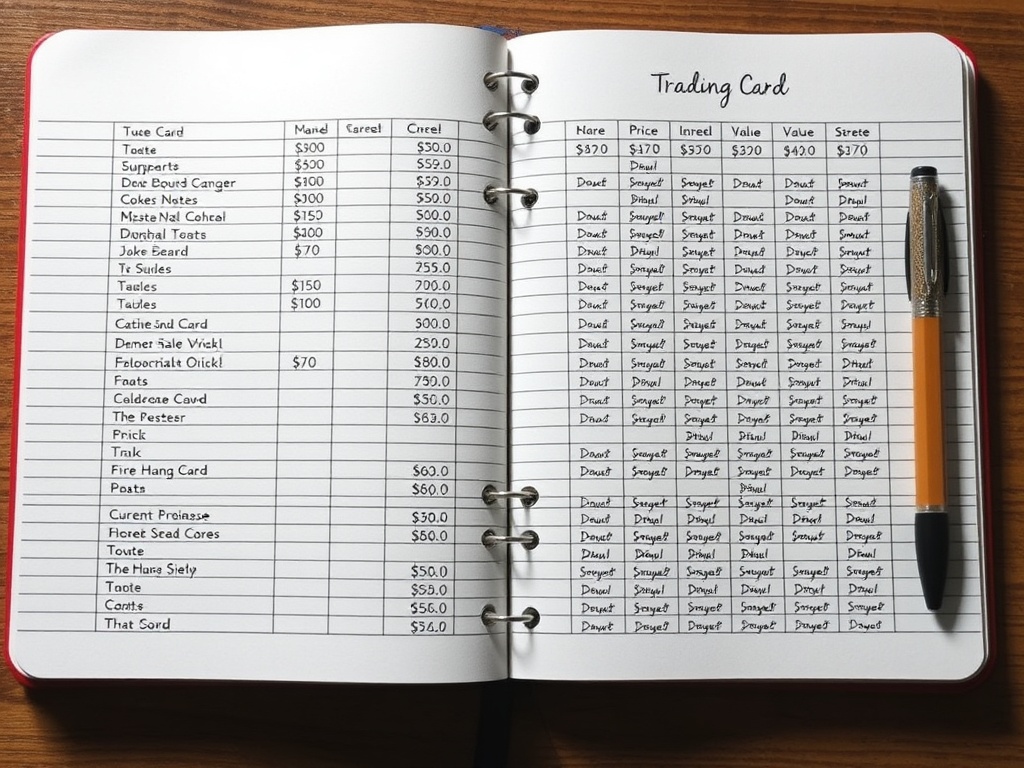
Track:
- Purchase price
- Date acquired
- Condition or grade
- Current estimated value
Why it matters: you can’t make smart decisions if you don’t know where you stand.
Collectors who treat their collection like a portfolio consistently outperform those who don’t.

Step 8: Be Selective — Not Emotional
This is where discipline comes in. You will see cards you want. You will feel like you’re missing out. Ignore that impulse.
Every strong collection is defined as much by what was skipped as what was purchased.
Ask yourself before every buy:
- Is this card in demand?
- Is the condition strong?
- Would I still want this in five years?
If you hesitate on any of these, pass.
Final Thoughts: Build Slowly, Win Long-Term
A valuable trading card collection isn’t built overnight. It’s built through consistent, deliberate choices.
The collectors who win aren’t the ones opening the most packs — they’re the ones making fewer, smarter moves over time.
If you follow these steps, you won’t just have a collection. You’ll have something that holds real weight in the market.
And that’s the difference between a hobby and an asset.