The One Habit That Instantly Protects Your Card Value (Most Collectors Ignore It)

Quick Tip
Sleeve every card immediately after pulling it to prevent instant condition loss and preserve long-term value.
If you collect trading cards long enough, you eventually learn this the hard way: value isn’t just about what you own — it’s about how you treat it. I’ve watched people pull rare cards worth hundreds, even thousands, only to quietly destroy that value over time through one simple mistake.
The quick tip: sleeve your cards immediately — every single time — no exceptions.
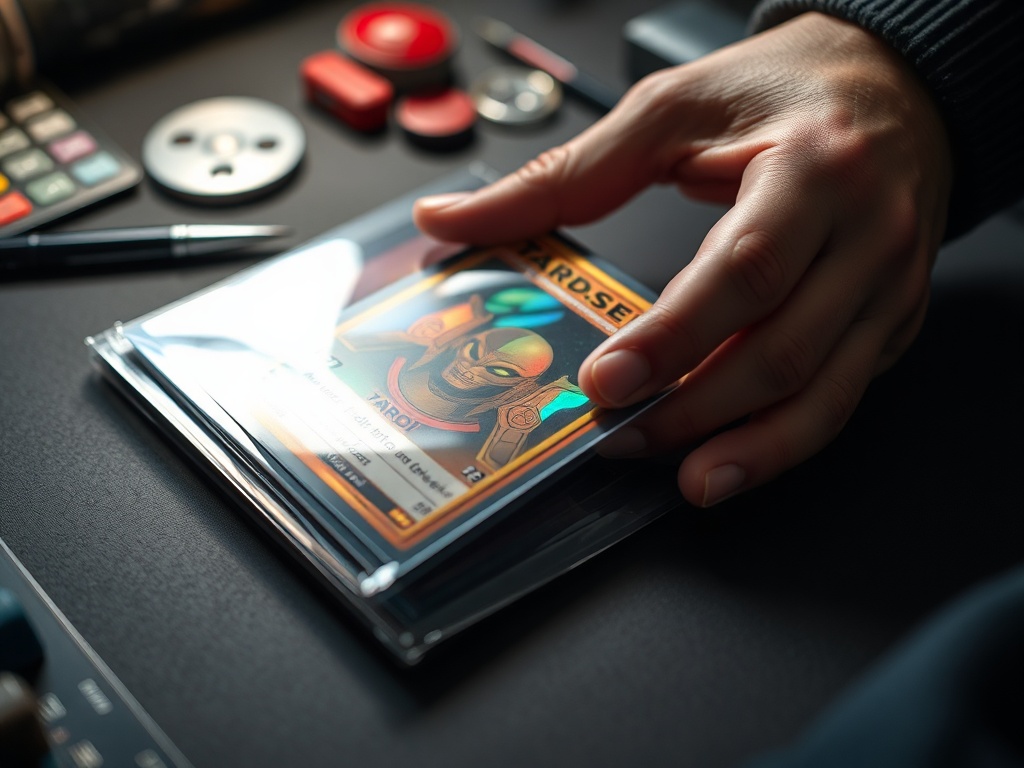
Why This One Habit Matters More Than Anything Else
Collectors love to talk about rarity, grading, and market timing. All important. But none of it matters if the card condition slips from near-mint to lightly played because you hesitated for even a few minutes.
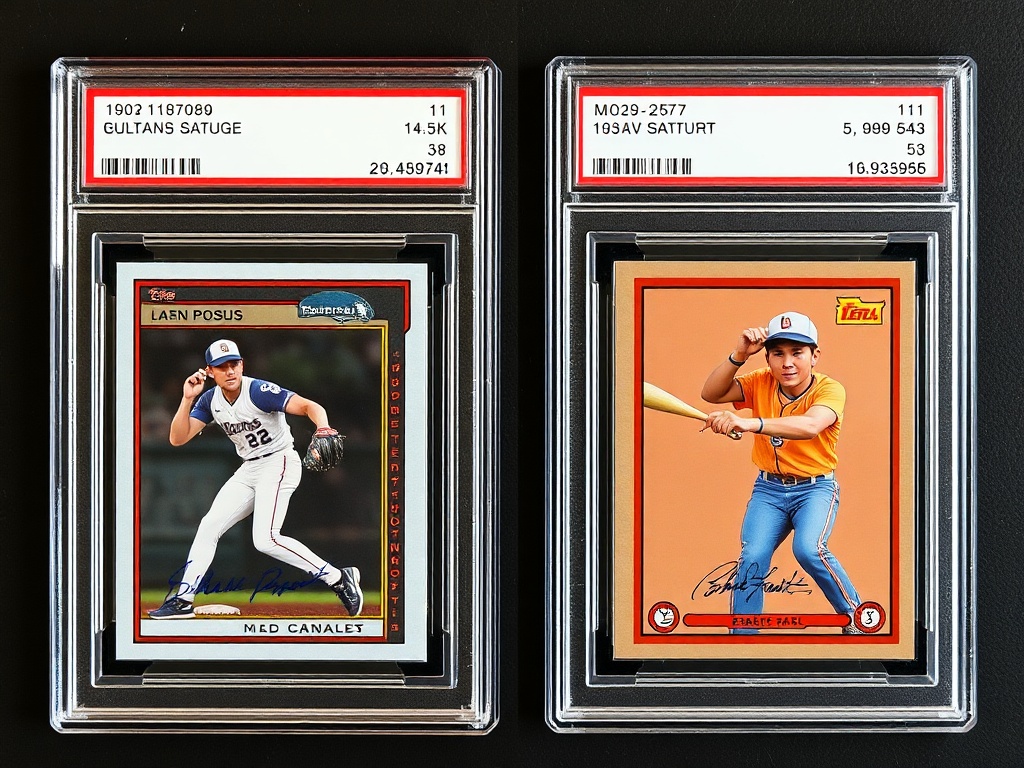
Condition is everything in this hobby. The difference between a PSA 10 and a PSA 9 isn’t subtle — it’s often hundreds or thousands of dollars. And that drop can happen from something as small as a fingerprint, a tiny edge nick, or micro-scratching from stacking cards.
The brutal truth: most damage happens in the first 60 seconds after pulling a card.
You’re excited. You show it to a friend. You set it on the table "just for a second." That’s all it takes.
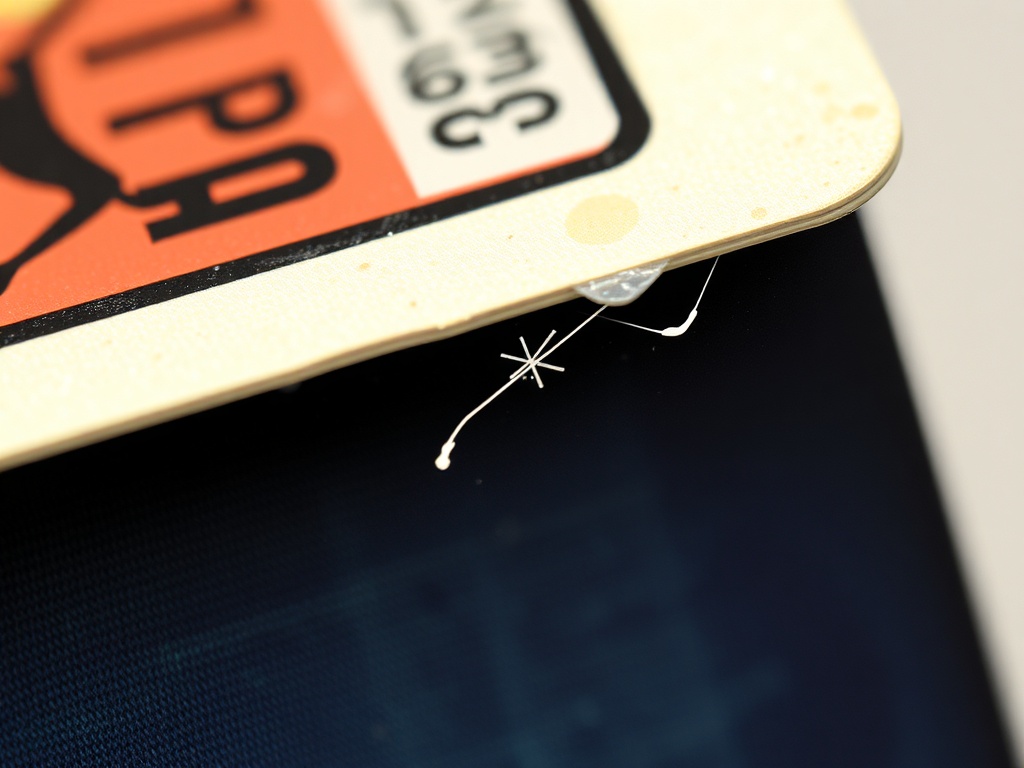
The Psychology of Delay (and Why It Costs You Money)
Collectors don’t avoid sleeves because they don’t care — they delay because they think they have time. That’s the trap.
Here’s what usually happens:
- You open a pack
- You hit something valuable
- You admire it, maybe pass it around
- You plan to sleeve it “in a minute”
That “minute” is where value disappears.
Skin oils transfer instantly. Dust particles settle. Even careful handling introduces micro-abrasions. None of this is visible right away, which is why it’s so easy to underestimate the damage.
Experienced collectors don’t rely on intention — they rely on habit. The card goes straight into a sleeve before anything else happens.

What “Immediate Sleeving” Actually Looks Like
This isn’t complicated, but it does require discipline.
Your setup should always include:
- A stack of penny sleeves within arm’s reach
- Top loaders or semi-rigid holders ready
- A clean, flat surface (no crumbs, no grit)
Your process:
- Open pack
- Identify hits
- Pick up card by edges only
- Insert into sleeve immediately
- Then decide what to do next
No showing it off first. No setting it down. Sleeve first — always.
This turns protection into muscle memory. After a few sessions, it becomes automatic.
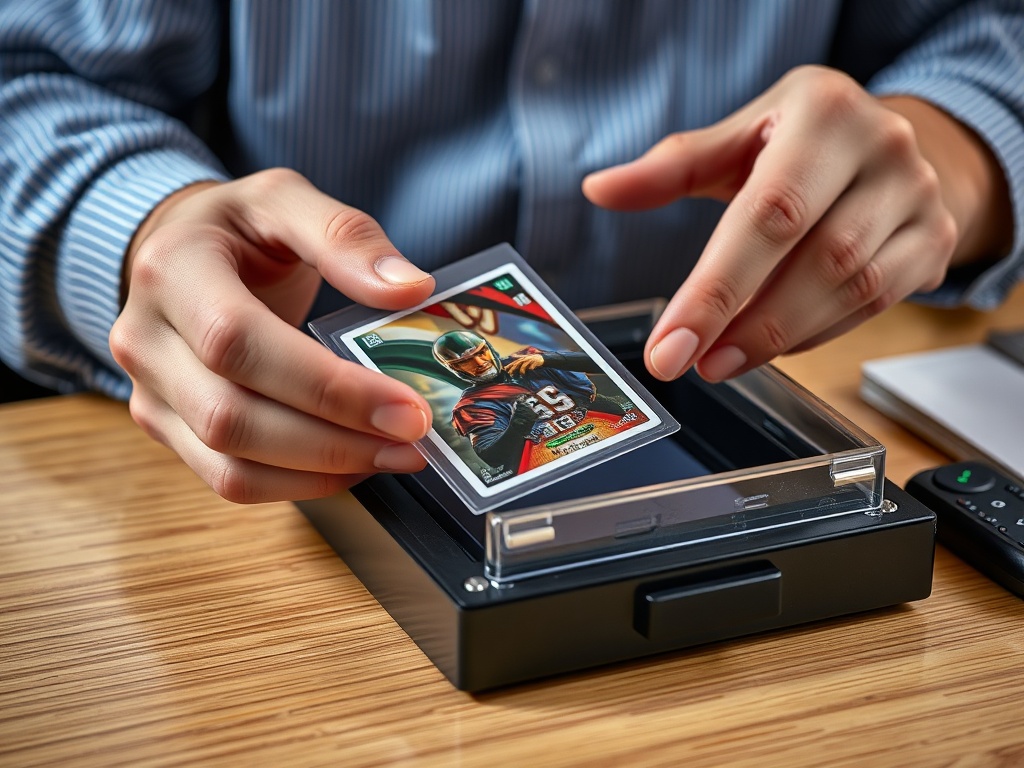
The Compounding Effect Over Time
One protected card doesn’t feel like a big deal. But collections aren’t built on one card — they’re built on hundreds or thousands.
If you protect 100 cards properly, you don’t just preserve value — you create consistency. And consistency is what grading companies reward.
Collectors who sleeve instantly tend to have:
- Higher average grades
- Better resale trust
- Cleaner long-term collections
Meanwhile, inconsistent handling leads to mixed-condition collections that are harder to sell and harder to evaluate.
This is where casual collectors and serious collectors start to separate.
Common Mistakes (Even Experienced Collectors Make)
Even people who "know better" slip into these habits:
- Stacking cards before sleeving: friction = micro scratches
- Using damaged sleeves: defeats the purpose entirely
- Overhandling hits: showing multiple people before protection
- Assuming low-value cards don’t matter: today’s bulk can become tomorrow’s sleeper
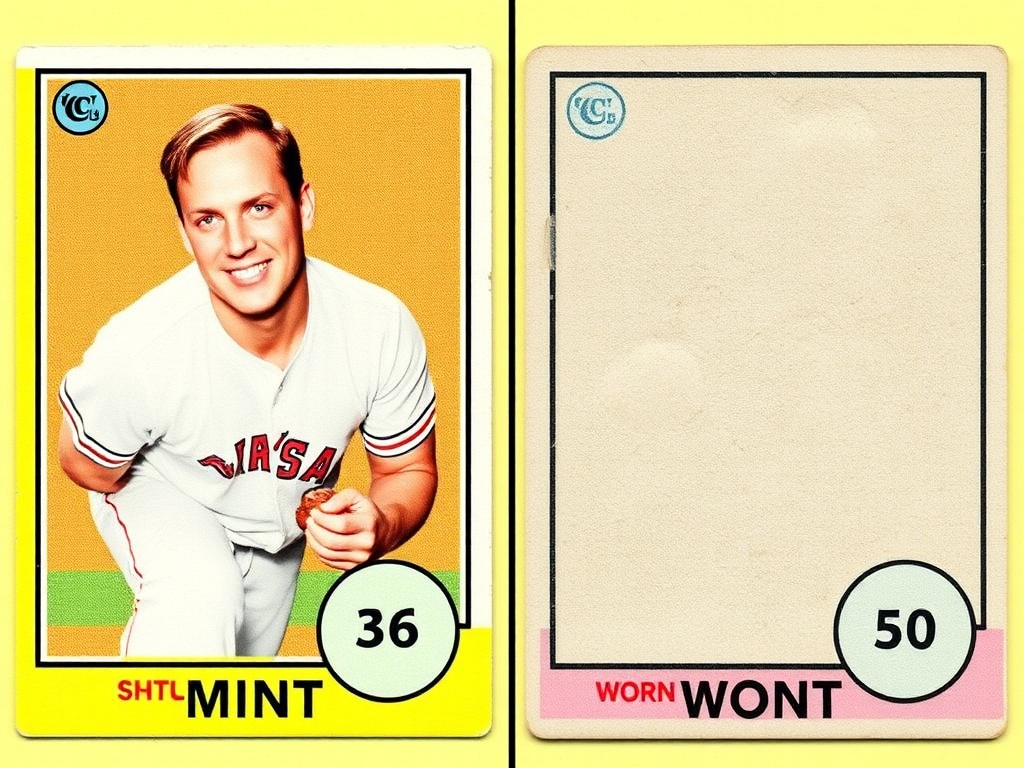
The last one is especially important. Plenty of cards that were ignored at release became highly desirable later. If they weren’t protected early, that upside is gone.
Why This Tip Beats Expensive Gear
Collectors love buying premium binders, display cases, and storage systems. Those are great — but they don’t fix early damage.
A $0.02 sleeve used at the right moment is more valuable than a $200 display case used too late.
This is the part people don’t like to hear: most value loss isn’t from bad storage — it’s from bad first contact.
If you get the first step right, everything else becomes easier.
Make It Non-Negotiable
The collectors who build valuable collections aren’t necessarily the luckiest — they’re the most consistent.
They don’t debate whether a card is “worth sleeving.” They don’t wait. They don’t make exceptions.
They treat every card like it matters — because sometimes, it does.
If you change one thing about how you collect, make it this:
Sleeve first. Always.
Everything else — grading, selling, displaying — depends on that single decision happening at the right moment.