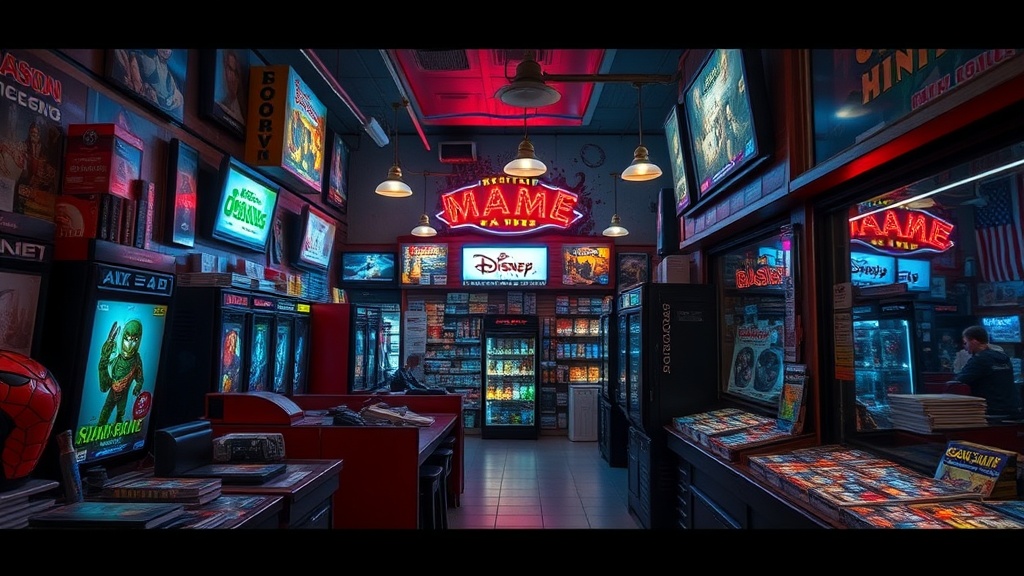
Finding Hidden Gems in Local Game Stores

Most collectors believe that the best deals are found on massive, centralized auction sites or through high-volume online marketplaces. That's a mistake. While the internet offers massive scale, it often lacks the nuance and the "boots on the ground" opportunities found at your local game store (LGS). This guide explains how to identify undervalued inventory, build rapport with shop owners, and spot high-value cards that others might have overlooked in a physical bin.
The real value isn't always in the shiny new set-release. It's in the bins of older, unorganized stock that hasn't been priced by a modern algorithm. If you know what to look for, you can find high-margin cards that the average person scrolling through a digital storefront will never see.
How Do You Find Undervalued Trading Cards in Person?
You find undervalued cards by looking for "orphaned" inventory—cards that are out of rotation or from older sets that the shop owner hasn't updated in their digital inventory system. Most stores focus on the newest Magic: The Gathering sets or the latest Pokémon expansions because those move quickly. However, the real profit margins often lie in the older,-less-sexy-but-still-functional cards sitting in the back of a display case or a dusty bulk box.
To find these gems, you need to develop a "set eye." This means knowing the visual cues of specific eras. For example, a card from the Revised era looks vastly different from a modern Modern Horizons 3 card. If a shop is selling a bulk box of "Old Magic" for a flat rate per pound or per hundred, you aren't just buying cardboard; you're buying a lottery ticket.
Keep an eye out for these specific indicators of high potential value:
- The "Dust" Factor: If a bin looks like it hasn't been touched in months, the prices are likely stagnant.
- Inconsistent Pricing: If a store prices their high-end singles by set rather than by individual card value, you can find gaps.
- Bulk Collections: Stores often sell off large collections from players who just want to clear space. These are goldmines.
It's worth noting that you shouldn't just blindly grab everything. You need a baseline of knowledge. If you don't know the difference between a foil and a non-foil, you're going to waste a lot of time. Before you start hunting, make sure you understand why card condition matters for long-term value, as a damaged card in a bargain bin is often a bad investment regardless of its rarity.
What Should You Look for in a Local Game Store's Inventory?
Look for high-demand staples from older formats that haven't been properly indexed. While everyone is hunting for the newest Mythic Rare, the real money is often in the "staples"—the cards that are required for specific decks to function, regardless of how old they are.
A well-run shop will have a clear distinction between their "New Releases" and their "Legacy/Vintage" sections. The former is where you pay a premium for convenience. The latter is where the deals live. I always tell people to check the "middle ground"—the cards that are 2 to 5 years old. These are often undervalued because the initial hype has died down, but they remain highly playable in formats like Commander.
Here is a quick breakdown of what to look for in different categories of inventory:
| Inventory Type | What to Look For | The Goal |
|---|---|---|
| Bulk Bins | Unsorted sets or "Randomized" packs | Finding "hidden" rares/holos |
| Singles Cases | Older, non-tournament staples | Buying at "old" prices |
| Trade-In Collections | Newly arrived player collections | Getting in before the shop prices them |
The catch? You can't just walk in and start digging through everything. That's a quick way to get banned from your favorite shop. Always ask the staff if it's okay to look through the bins. Most are happy to let you, provided you're respectful of the space and the people playing games.
How Can You Build a Relationship with Your LGS?
Building a relationship with the store owner is the single most effective way to get "first dibs" on high-value collections. When a player walks in and wants to sell a massive collection of 5,000 cards, the owner will often call their "regulars" before they even list the items online. You want to be one of those regulars.
Being a regular isn't just about spending money. It's about being a part of the community. Show up for the Friday Night Magic sessions. Buy your sleeves and deck boxes there. When you become a known entity, the shop owner starts seeing you as a reliable collector rather than just a customer. This leads to more opportunities—like being the first to know when a high-value trade-in arrives.
A few ways to integrate yourself into the local scene:
- Attend Weekly Events: Consistency is key. If you're there every Tuesday, you're a regular.
- Be Respectful of the Space: Don't be the person who leaves a mess or argues about a judge's ruling.
- Share Your Knowledge: If you see a card that's mispriced, point it out politely. It shows you're an expert and that you're looking out for them too.
If you're worried about how to manage the items you find, you might want to look into choosing the right storage solutions early on. A big haul from a local shop is no fun if you don't have a way to keep those cards safe and organized.
Don't forget that the "local" part of Local Game Store is vital. Most of these businesses are small, independent operations. They aren't massive corporations with global logistics chains. They are often run by people who love the same games you do. Treat them that way, and the rewards—both financial and social—will follow.
Check the official Wizards of the Coast website or your specific game's official documentation to stay updated on set rotations. Knowing when a set is moving from "Standard" to "Legacy" will tell you exactly when a local shop might start dropping their prices on those specific cards. This foresight is what separates a casual buyer from a true collector.
The next time you walk into a shop, don't just look at the newest displays. Look at the corners. Look at the dusty boxes. Look at the stuff that hasn't moved in a while. That's where your next big win is waiting.