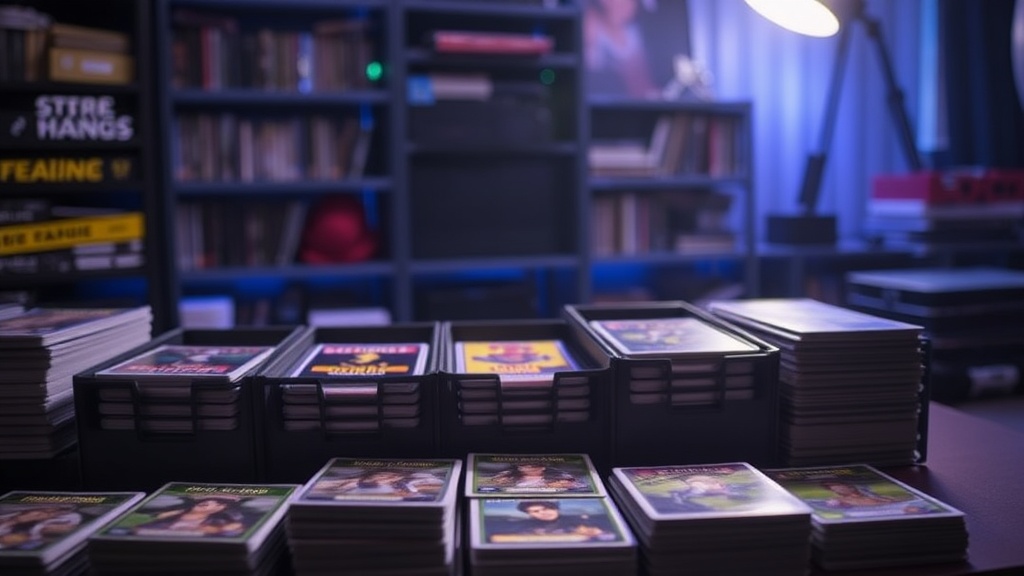
Choosing the Right Storage Solutions for Your Trading Card Collection

Protecting Your Cards with Proper Storage Methods
This guide covers the different ways you can store your trading cards—ranging from basic sleeves to professional-grade binders—to ensure your collection stays in top condition. You will learn how to choose materials that won't cause damage and how to organize your cards effectively.
If you've ever opened a binder only to find a slight bend or a hazy film on your cards, you know the frustration. Most collectors start by tossing everything into a cardboard box, but that's a mistake. Your cards aren't just paper; they're assets that deserve specific environments. Whether you're holding a high-end Magic: The Gathering set or a massive collection of Pokémon cards, the way you house them determines their long-term viability.
The biggest threat to your collection isn't actually physical damage from handling—it's the environment. Humidity, temperature shifts, and even the chemicals in cheap plastic can ruin a card's surface. We'll look at the various tiers of storage so you can decide where your collection fits.
What is the Best Way to Store Trading Cards?
The best method depends on whether you want to look at your cards or just keep them safe. For active players, top-loaders are the standard. These are rigid plastic sleeves that offer a physical barrier against bending. If you're traveling to a tournament, you shouldn't just rely on a deck box; you need a hard-shell case to prevent the weight of other items from crushing your cards.
For collectors who want to display their cards, high-quality binders are the way to go. However, not all binders are equal. You'll want to avoid the cheap, thin-page binders found in big-box retailers. These often use low-grade PVC, which can leach chemicals onto the card surface over time—a phenomenon often called "binder burn." Instead, look for acid-free, archival-quality pages. This is a standard you'll see discussed frequently on sites like TCGplayer, where market-ready cards are kept in pristine condition.
When it comes to bulk storage, consider heavy-duty plastic bins rather than cardboard. Cardboard is porous; it absorbs moisture from the air and can even harbor pests. A sealed plastic bin provides a much more stable micro-environment. If you're storing thousands of cards, you might want to look into specialized storage boxes designed specifically for TCGs, which are sized to fit standard-sized cards perfectly without leaving excess air space.
Should I Use Sleeves or Top-Loaders?
This is a common question for those moving from a casual hobbyist to a serious collector. Sleeves (or "penny sleeves") are great for initial protection, but they aren't a complete solution. If you're using a binder, you should use "inner sleeves" before putting the card into the binder page. This double-layering provides an extra layer of defense against dust and oils.
Top-loaders, on the other hand, are meant for long-term security. They are much thicker and harder to bend. If you have a card that is worth a significant amount of money, putting it in a top-loader and then placing that top-loader inside a protective sleeve (often called a "double sleeve") is the gold standard. This prevents the card from sliding in and out of the rigid plastic, which can cause micro-scratches on the edges.
- Penny Sleeves: Cheap, thin, and great for bulk protection.
- Dragon Shield/Ultra Pro Sleeves: Higher quality, more durable, and great for active play.
- Top-Loaders: Maximum rigidity for high-value cards.
- Magnetic One-Touch Cases: The premium choice for single-card display.
A quick tip: always check the material. If a product says "PVC-Free," it's a good sign. If it doesn't mention it, assume it might contain harmful plastics. You can research more about material safety through specialized collector forums or the Wizards of the Coast official resources to see how they recommend handling high-end products.
How Do I Prevent Card Damage from Humidity?
Humidity is the silent killer of collections. It causes cards to curl (often called "warping") and can even lead to mold or mildew if the air is stagnant. If you live in a humid area, a simple binder won't be enough. You need to control the air around the cards.
One way to manage this is by using silica gel packets. You've probably seen these in shoe boxes or electronics packaging. Placing a few of these in your storage bins can help absorb excess moisture. However, be careful not to place them directly touching the cards, as they can sometimes leach moisture back out if they become saturated. A better approach is to keep your cards in a climate-controlled room—avoiding basements or attics where temperatures fluctuate wildly.
If you're storing cards in a large volume, consider a dehumidifier for the room itself. It's a more expensive upfront cost, but it's much cheaper than replacing a warped collection. Also, avoid using old wooden drawers for storage. Wood can off-gas, and the natural moisture in the wood can transfer to your cards over time. Stick to plastic or metal-based storage solutions for the best results.
| Storage Type | Primary Benefit | Best Use Case |
|---|---|---|
| Penny Sleeve | Low cost/Bulk protection | Storing common cards |
| Deck Box | Portability/Protection | During gameplay/Travel |
| Top-Loader | Rigidity/Prevention of bends | High-value single cards |
| Archival Binder | Visibility/Organization | Displaying a curated set |
Ultimately, the way you treat your collection today determines its value tomorrow. A card in a cheap, non-acid-free binder might look fine now, but in five years, it could be a different story. Take the time to invest in quality materials. It's an upfront cost that pays off in the longevity of your hobby.