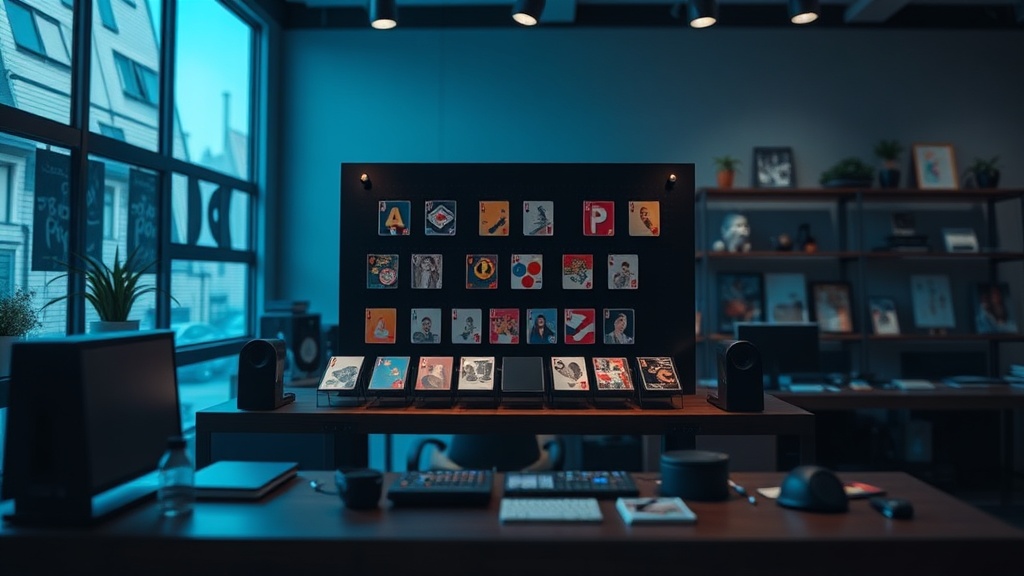
Building a Professional Display for Your High-End Cards

Most collectors believe that a high-end display is just about buying a fancy glass case or a LED-lit shelf. They're wrong. A professional display is a multi-layered system designed to protect your investment from light, humidity, and physical degradation while ensuring the cards remain visible. This guide breaks down the physical requirements for high-value card preservation, the hardware you need for visibility, and the environmental controls required to keep your collection from rotting.
If you've spent thousands on a Reserved List card or a high-grade Pokémon Charizard, you shouldn't just throw it in a plastic holder and stick it on a bookshelf. That's a recipe for disaster. You need to think about the long-term stability of the card's physical state.
How Much Does UV Protection Actually Matter?
UV protection is the difference between a vibrant card and a faded, worthless piece of cardboard. Sunlight and even certain types of artificial light can break down the chemical bonds in ink and paper, leading to irreversible discoloration. If your display isn't UV-resistant, you're essentially watching your profit margin evaporate in real-time.
When choosing a display, you'll want to look for materials that specifically mention UV filtration. Standard acrylic is better than glass for weight and shatter resistance, but not all acrylic is created equal. You should look for brands like Plexiglass or specialized museum-grade acrylics that block 99% of UV rays. This isn't just about looks; it's about preventing the "yellowing" effect that ruins high-grade slabs.
Here are the three main light-based threats to your collection:
- Direct Sunlight: The absolute killer. Even a few weeks of sun hitting a display case can bleach the colors out of a foil card.
- Fluorescent Lighting: These bulbs emit a specific spectrum that can be harsh on older card stocks.
- Heat: If your display is sitting right under a hot spotlight, the temperature inside the case will rise, potentially warping the card or the holder.
I've seen collectors get incredibly excited about a new display, only to realize they've placed it in a room with massive floor-to-ceiling windows. Don't be that person. If you can't control the light, don't put the cards there.
What Are the Best Materials for Card Holders?
The best materials for high-end card holders are acid-free, archival-grade plastics and metals. Using cheap, low-grade PVC-based holders can actually cause "ink transfer" or stickiness, where the card becomes physically bonded to the plastic. This is a nightmare for any serious collector.
When you're moving from standard storage to display, you need to upgrade your protection. If you're still using cheap penny sleeves, you're asking for trouble. You should transition to high-quality magnetic one-touch holders or professional-grade graded slabs from companies like Wizards of the Coast or PSA.
| Holder Type | Best Use Case | Pros | Cons |
|---|---|---|---|
| Magnetic One-Touch | Displaying single high-value cards | Looks premium; easy to access | Can be heavy; expensive |
| Graded Slabs (PSA/BGS) | Long-term investment display | Highest protection; verified value | Cannot touch the card once sealed |
| Acrylic Display Stands | Showcasing a single card/slab | Minimalist aesthetic | Requires careful placement to avoid tipping |
| Hard Plastic Toploaders | Temporary display or budget setups | Cheap and accessible | Less "professional" look; prone to scratches |
If you haven't already mastered the basics of storage, you might want to check out my previous post on choosing the right storage solutions. It's hard to build a display if you don't understand the foundation of preservation.
How Do You Control Humidity in a Display Case?
Humidity control is the most overlooked aspect of professional-grade displays. High humidity leads to mold and "foxing" (those little brown spots on paper), while extremely low humidity can make the card stock brittle. You need a stable, controlled environment to keep the card in its original state.
A common mistake is buying a beautiful wooden cabinet and putting cards inside it without any moisture control. Wood can breathe, meaning it reacts to the air around it. If your room is humid, your display case is likely humid too. To prevent this, I recommend using silica gel packets or specialized humidity control packs. These are small, inexpensive, and can be tucked into the base of a display case or inside a larger storage box.
Think about the environment where your display lives. A basement or a damp garage is a terrible place for a high-end collection, regardless of how much you spend on the case itself. The goal is a steady, middle-ground environment. A 40-50% humidity level is generally considered the "sweet spot" for paper-based collectibles. If you're serious about this, you might even want to invest in a digital hygrometer to monitor the levels in real-time.
It's a bit of a balancing act. Too much moisture and you're looking at a ruined collection; too little and you're dealing with brittle edges. It's worth the extra five minutes to check your levels once a month.
One thing to keep in mind: don't rely on the "feel" of the air. You can't trust your senses to tell you if the humidity is rising. Use a tool. It's the only way to be sure. This is part of why card condition matters for long-term value—the environment you keep them in dictates their eventual sale price.
The setup process is often more about the environment than the furniture. You could have a $5,000 custom-built mahogany case, but if it's sitting in a damp corner, it won't save your cards from the elements. Focus on the science of the space first, then the aesthetics.
When you're ready to move from a basic collector to a professional-grade curator, the transition is mostly about vigilance. You're no longer just a person with a pile of cards; you're a steward of a collection. That requires a shift in mindset—from "looking cool" to "preserving value."
Steps
- 1
Choose a UV-Protective Case
- 2
Set Up Indirect LED Lighting
- 3
Arrange by Visual Hierarchy
- 4
Secure the Mounting System