Smart Ways to Purchase Bulk Trading Card Lots

What to Look for Before Buying Bulk Card Lots
This guide covers the specific metrics and physical checks you need to perform when purchasing large volumes of trading cards. Whether you're looking to build a base for a new deck or searching for rare hits in a massive pile, understanding the difference between high-quality bulk and junk is what separates successful collectors from those who lose money. We'll look at how to evaluate set density, card condition, and the logistical realities of shipping large quantities.
When you start looking at bulk lots—often sold by the thousand on auction sites or specialized marketplaces—it's easy to get blinded by the sheer volume. You aren't just buying paper; you're buying potential. However, a lot of bulk is often just "filler"—cards that are common, low-value, or in poor condition. Before you hit that buy button, you need to know exactly what kind of value is tucked inside those boxes. A common mistake is assuming a high volume of cards automatically means a high volume of value. It rarely does.
One way to approach this is by looking at the density of "hits." In many modern trading card-based games, "hits" refer to rare, holographic, or special edition cards. If a seller is selling a lot of 5,000 cards, you want to know if that lot is a randomized mix or if it's a curated selection of a specific era. A box of 1990s Pokémon cards has a very different risk profile than a box of 2023 Magic: The Gathering cards. The older sets might have higher individual card value, but the newer sets often have more consistent modern mechanics. You should check sites like TCGPlayer to see current market trends for the specific sets being offered in the lot.
How Do I Verify the Condition of Bulk Cards?
Condition is the biggest variable in bulk buying. When you aren't seeing the cards in person, you're relying on the seller's description. If a seller says "Near Mint," they might mean it by their standards, but your standards might be much higher. Always look for terms like "Lightly Played" (LP) or "Moderately Played" (MP) in the listing. A lot labeled as "Played" is often a bargain if you're just building a deck for play, but it's a disaster if you're trying to preserve value. You'll want to look for signs of edge wear, surface scratches, or corner whitening. Even in a bulk lot, a single high-value card can be ruined if it wasn't protected during transit.
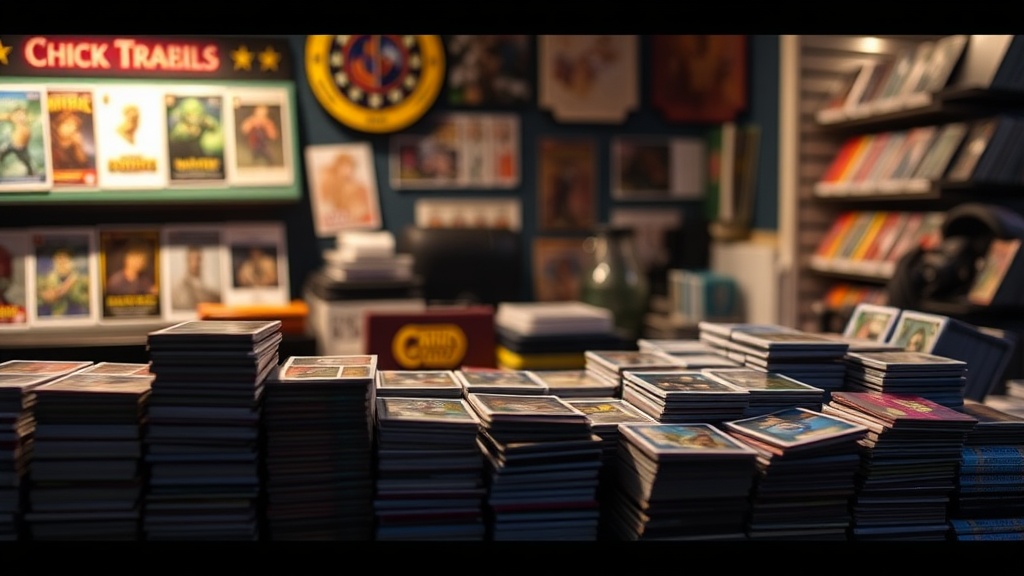
To protect yourself, ask the seller for a photo of the actual box or a sample of the cards. A reputable seller won't mind showing you the actual product. If the listing uses stock photos of a single card to represent a thousand cards, walk away. That's a massive red flag. You want to see the actual density of the cards. Are they shoved into a cardboard box with no protection, or are they in sealed crates? The way a lot is packaged tells you everything about how the cards were handled during their previous life. If they've been sitting in a damp basement, the moisture damage will be permanent and irreversible.
Is It Better to Buy Sorted or Unsorted Lots?
This is a frequent debate among collectors. Unsorted lots are generally much cheaper, but they require a massive amount of time to process. You'll be sitting at a desk for hours, sorting by color, set, or rarity. This is a great way to find "hidden gems," but it's also a way to spend your entire weekend looking at common cards. Sorted lots are more expensive because the seller has already done the heavy lifting for you. They've organized the cards into sets or rarities, which adds a premium to the price.
| Lot Type | Price Point | Time Investment | Risk Level |
|---|---|---|---|
| Unsorted Bulk | Low | Extremely High | High |
| Semi-Sorted | Medium | Moderate | Medium |
| Sorted/Curated | High | Low | Low |
If you're a beginner, I'd suggest starting with semi-sorted lots. This gives you a bit of both worlds: a lower price than a professional dealer, but more structure than a random box of junk from an estate sale. It allows you to practice your sorting and identification skills without the overwhelming chaos of a completely random pile. As you get faster at identifying sets and card-specific markings, you can move into the more unpredictable, high-reward world of truly unsorted bulk.
How Can I Avoid Scams in Large Card Sales?
The digital marketplace is full of people trying to offload high-volume, low-value cards at a premium. One way to avoid this is to check the seller's history and feedback. If they've sold thousands of items with a perfect rating, they know what they're doing. If they've only sold ten items and have no history, be cautious. Also, look for "too good to be true" pricing. If someone is selling a massive lot of vintage cards for a fraction of the market price, there is likely a reason. It could be water damage, or perhaps the lot is missing the high-value cards that were supposedly inside.
Another tip is to use secure payment methods. Never use wire transfers or direct apps that don't offer buyer protection. Most major platforms have systems in place to ensure that if you receive a box of literal trash instead of the 1,000-card lot you paid for, you can get your money back. Always check the return policy for the specific auction or listing. If the seller says "As-Is" or "No Returns," you are taking a significant risk. In that case, your only defense is thorough research before you buy. Check the eBay sold listings to see what similar lots have actually sold for, rather than just looking at the asking prices. This will give you a realistic view of the market value.
Lastly, consider the shipping costs. A box of 5,000 cards is heavy. It's not just a small envelope. If the shipping cost isn't clearly stated, it can easily double the price of your "deal." Always calculate the total landed cost—the price of the cards plus the shipping and any potential taxes—before you decide if the lot is actually a good value. A cheap lot with expensive shipping is just a different way of paying a high price.