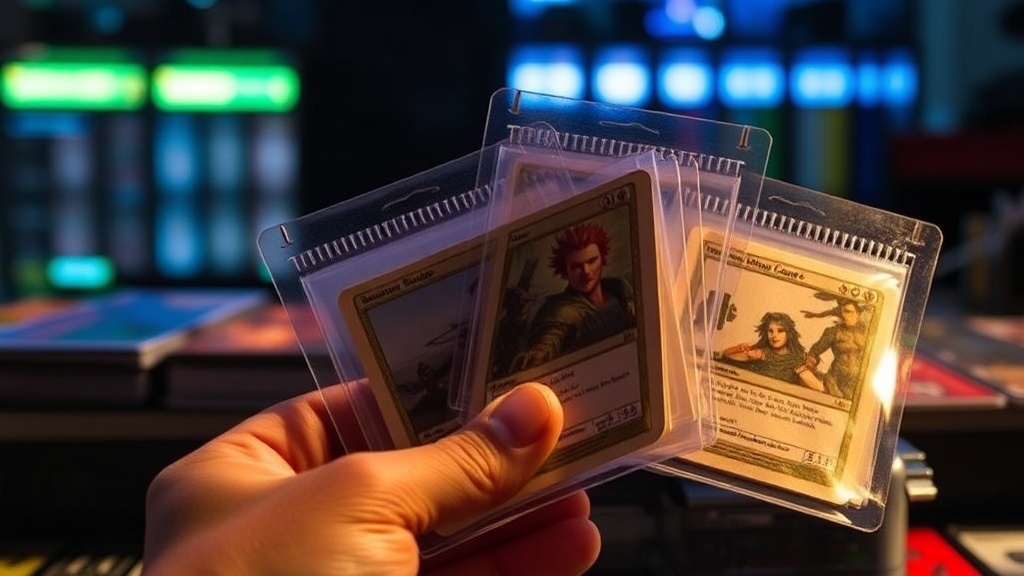
Selecting the Right Protective Sleeves for Your Trading Card Collection

Is your collection actually safe?
Ever wonder if that cheap, plastic-looking sleeve is doing more harm than good? It's a question that haunts even the most seasoned collectors. While most people focus on the card's rarity or price tag, the real work happens in the preservation phase. This post covers the different types of sleeves available, how to identify quality materials, and how to choose the right fit for your specific needs—whether you're protecting a high-value Magic: The Gathering card or a stack of recent releases.
The truth is, not all sleeves are created equal. A sleeve that feels great in your hand might actually be a slow-acting threat to your card's surface. We're looking at the material composition, the fit, and the long-term chemical stability of these products. If you don't get this right, you're not just protecting the card; you're potentially introducing issues like curling or surface scratches.
What are the different types of card sleeves?
When you start looking at the market, you'll notice a few distinct categories. Understanding these is the first step to making an informed decision. You aren't just buying "plastic"; you're choosing a specific level of protection and functionality.
- Penny Sleeves: These are the thin, transparent sleeves often used for bulk-sorting. They're great for keeping dust off, but they offer very little structural support. Don't use these for high-end cards you intend to show off.
- Standard Deck Protectors: These are the thicker, more durable sleeves used for actual gameplay. They provide a decent level of protection against spills and minor impacts. If you're playing in a tournament, these are your bread and butter.
- Premium/Pro Sleeves: Often featuring matte or textured backs, these are designed for better grip and a premium feel. They're usually slightly more expensive but offer a much better tactile experience.
It's also worth noting that some sleeves are designed specifically for certain games. For instance, the dimensions of a Magic card might differ slightly from a Pokémon card. Always check the manufacturer's specifications before you commit to a bulk purchase. You can find detailed sizing guides and technical specs on sites like Wizards of the Coast to ensure you're matching the right product to your game.
Does the material of the sleeve matter?
Yes, it matters immensely. Most high-quality sleeves are made from polypropylene or specialized plastics that are acid-free. This is a huge deal. If you use a sleeve that isn't acid-free, the chemicals in the plastic can react with the card over time, leading to discoloration or even permanent damage. This is often referred to as "ink transfer" or "clouding."
One thing to watch out for is the "gloss" versus "matte" finish. Matte sleeves are popular because they provide a better grip and reduce glare, but they can sometimes be slightly more prone to scuffing during heavy use. Glossy sleeves look great and are very clear, but they can be quite slippery. If you're building a deck for competitive play, you'll want to consider how the texture affects your ability to shuffle and draw smoothly.
| Sleeve Type | Best Use Case | Durability | Price Point |
|---|---|---|---|
| Penny Sleeve | Bulk storage/Sorting | Low | Very Low |
| Standard Deck Protector | Casual Gameplay | Medium | Medium |
| Premium Matte Sleeve | Competitive Play | High | High |
When you're looking at top-tier brands, it's a good idea to check out enthusiast communities. Sites like MTGGoldfish often have discussions regarding the current meta and the gear being used by top players, which can give you a clue about which sleeves are currently favored for performance.
How do I prevent card curling and damage?
Card curling is the bane of every collector's existence. It usually happens when the environment is too dry or when the sleeve itself has a different tension than the card. If you're using a very tight-fitting sleeve, the constant pressure can actually cause the card to bow. This is why "sizing up" is a common tactic among collectors.
If you're storing cards in a deck box, the sleeve provides a layer of protection, but the box provides the structural integrity. A common mistake is overstuffing a deck box. If the cards are too tight, the pressure from the sides can cause them to warp. Always leave a little bit of "breathing room" in your storage solutions. If you can't easily slide the cards out, the fit is too tight.
Humidity also plays a role. While sleeves protect against liquid, they aren't airtight. If you live in a humid environment, the moisture can still seep in through the top of the sleeve. This can lead to the card swelling or the edges becoming soft. Using a high-quality, airtight storage case alongside your sleeved cards is the best way to prevent this. It's not just about the sleeve; it's about the entire environment the card lives in.
Finally, pay attention to the edges. A cheap sleeve might have slightly rough edges that can scratch the surface of your card during a shuffle. This is why many professional players prefer sleeves with a more refined, smooth finish. It's a small detail, but over hundreds of games, those tiny scratches add up. You want your cards to look as good in a year as they do today.