How to Store and Protect Your Trading Cards Like a Serious Collector

Why Proper Card Storage Matters More Than You Think
If you’ve been collecting for more than five minutes, you already know this: condition is everything. Two identical cards can have wildly different values depending on how they’ve been stored. A tiny edge ding, slight warp, or surface scratch can knock serious money off a card.
The frustrating part? Most damage doesn’t happen during play—it happens during storage.
This guide is built from years of collector habits, mistakes, and fixes. No fluff. Just what actually works.
Step 1: Start With the Right Sleeves (Always)
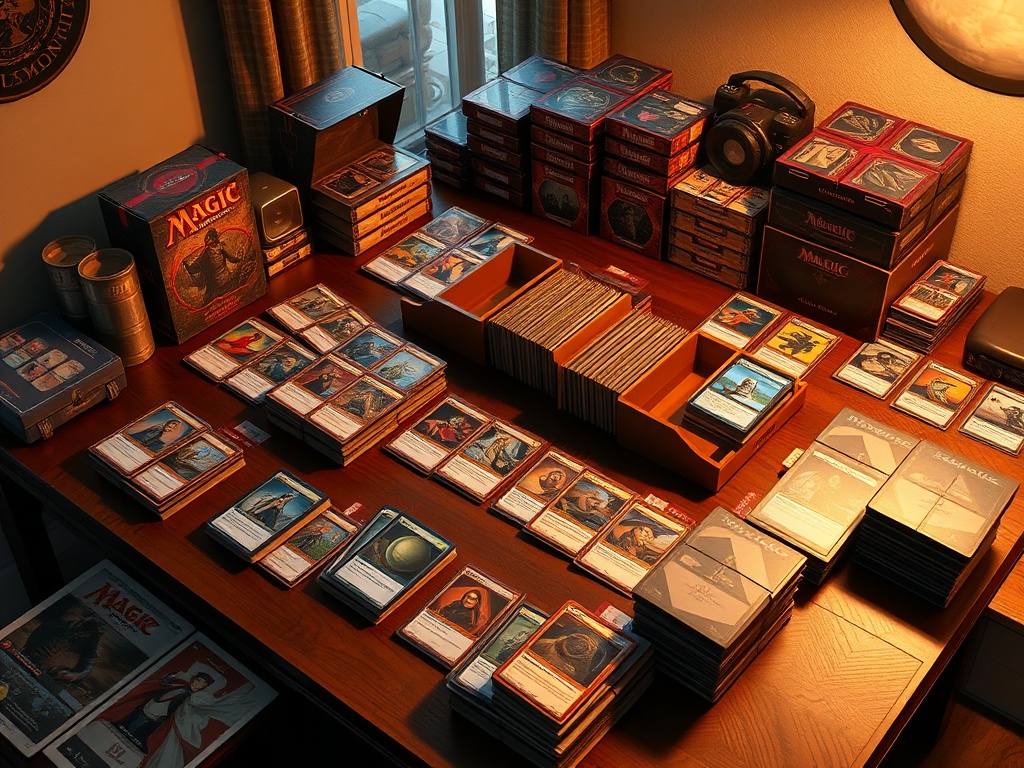
The first line of defense is the humble sleeve. Skip this step and nothing else matters.
- Penny sleeves: Cheap, flexible, and essential for bulk protection.
- Perfect fit sleeves: Snug and ideal for double-sleeving higher-value cards.
- Deck sleeves: Thicker and designed for handling during play.
For anything remotely valuable, double-sleeve it. Perfect fit first, then a standard sleeve. This prevents dust, moisture, and micro-scratches.
Step 2: Use Top Loaders and Semi-Rigid Holders for Key Cards
Not all cards deserve the same level of protection. Your bulk commons don’t need premium gear—but your chase pulls do.
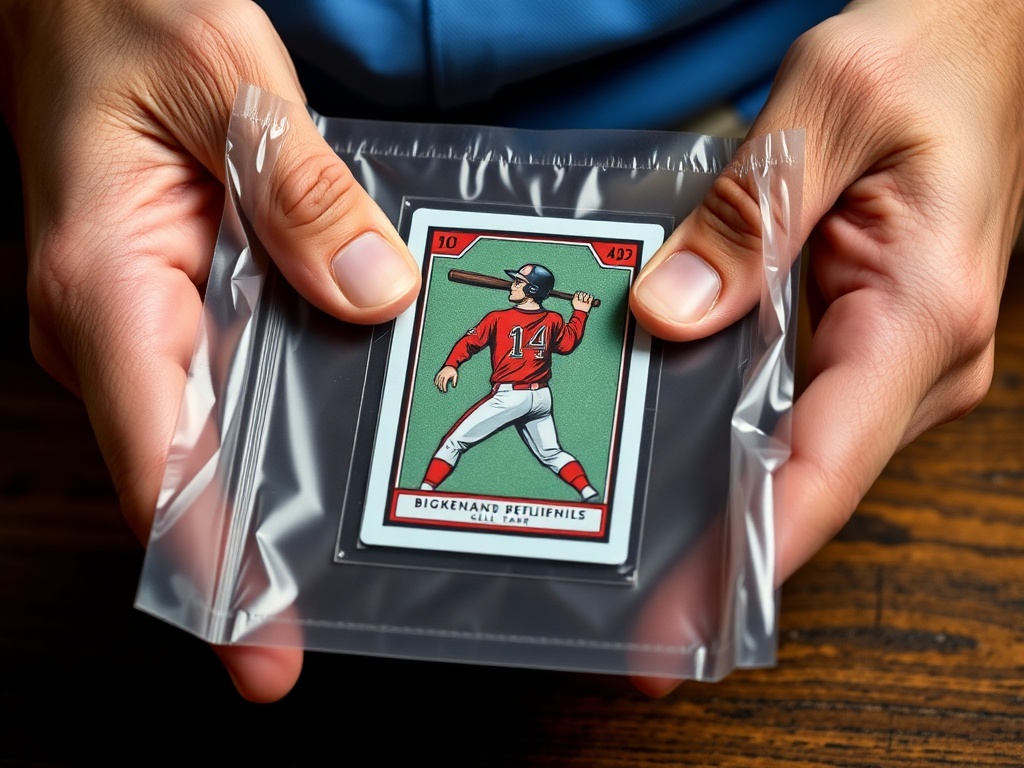
- Top loaders: Rigid plastic cases for display and storage.
- Semi-rigid holders: Preferred for grading submissions.
- Magnetic cases: Great for display, but use sparingly (they can shift if mishandled).
A good rule: if you’d be upset replacing it, it goes in a top loader at minimum.
Step 3: Control Your Environment (This Is Where Most People Fail)
Cards are sensitive. Heat, humidity, and sunlight will quietly destroy them over time.
- Keep cards in a cool, dry place
- Avoid basements unless humidity-controlled
- Stay away from direct sunlight completely
- Use silica gel packs in storage boxes
Warping is usually a humidity problem. Fading is a sunlight problem. Both are preventable.
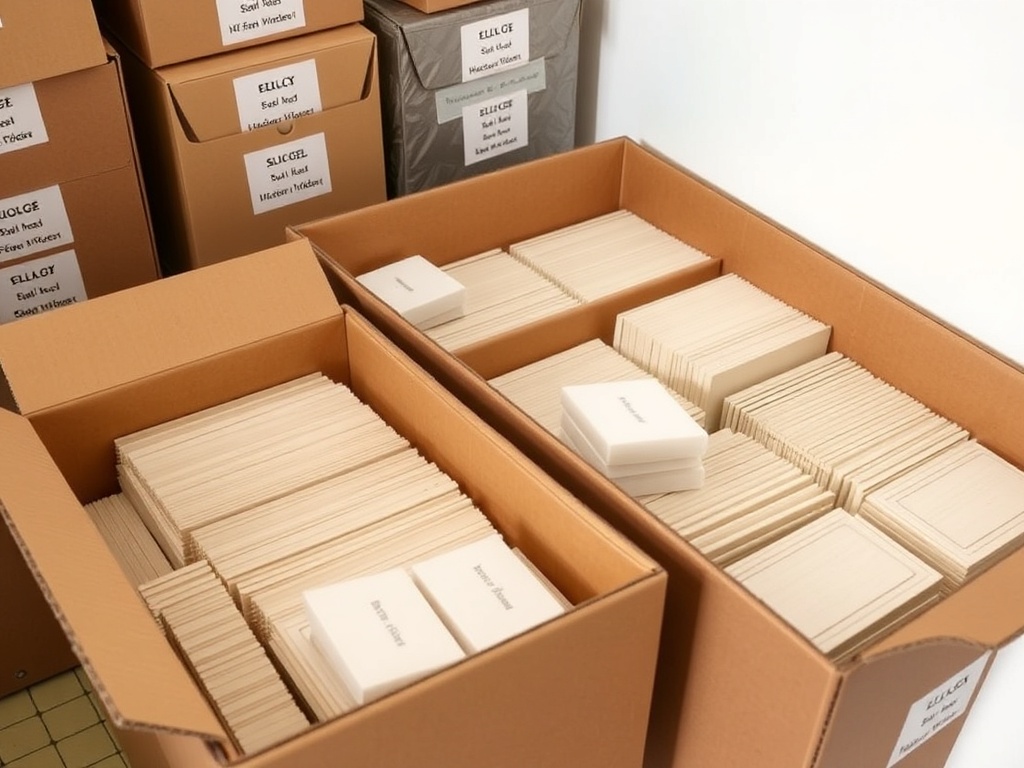
Step 4: Choose the Right Storage Boxes
Shoeboxes are how collections get ruined.
Instead, use:
- Cardboard storage boxes: Affordable and scalable
- Plastic bins: Better for long-term durability
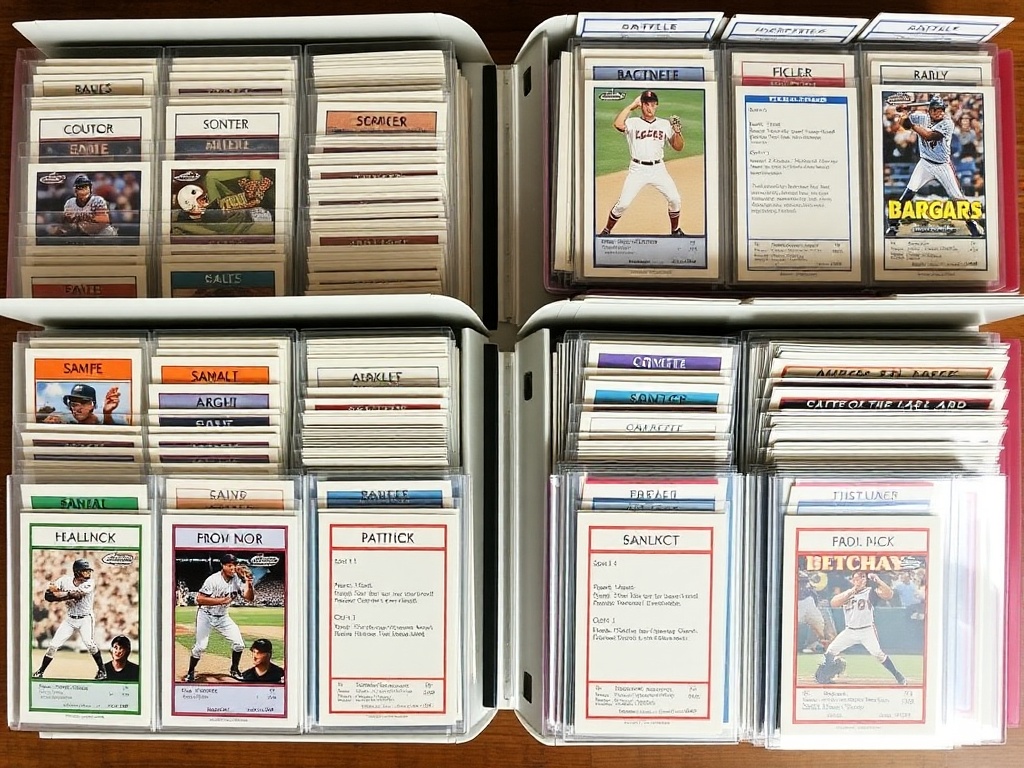
- Binders (side-loading): Ideal for sets and visual browsing
Avoid ring binders that pinch cards. Always go side-loading with backing support.
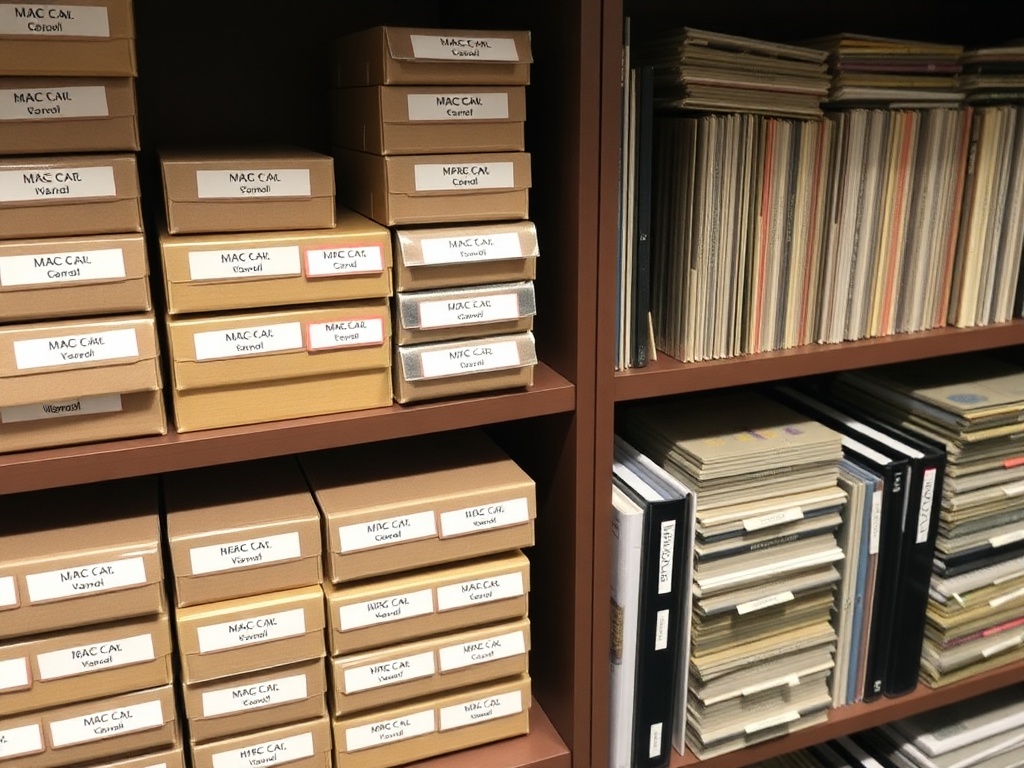
Step 5: Organize Like You Actually Care About Your Collection
Disorganization leads to damage. Digging through piles = bent corners.
Try organizing by:
- Set or expansion
- Rarity
- Value tier
- Playable decks vs collection pieces
Use dividers. Label everything. Make it easy to access without handling cards unnecessarily.
Step 6: Handle Cards Properly (Yes, It Matters)
This sounds obvious, but it’s where a lot of damage happens.
- Always handle by the edges
- Keep hands clean and dry
- Avoid bending even slightly
- Use playmats when sorting or viewing
Finger oils alone can degrade surfaces over time.

Step 7: Know When to Grade (and When Not To)
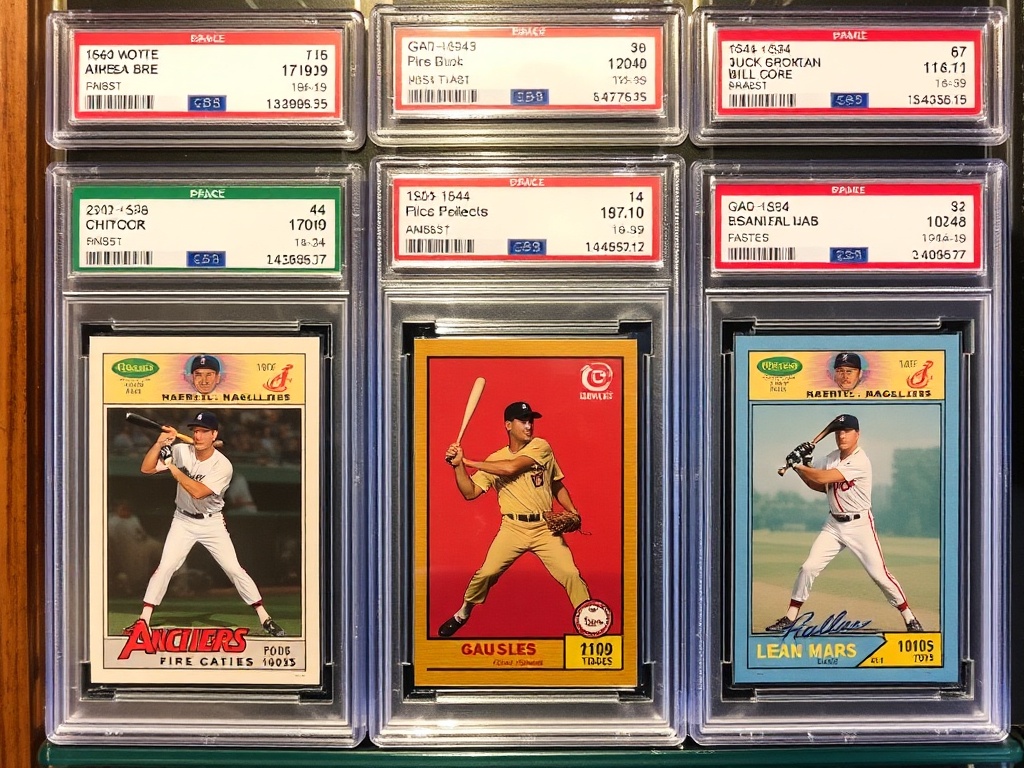
Grading adds protection and potential value—but only when it makes sense.
Consider grading if:
- The card is already in near-mint or better condition
- It has strong market demand
- You plan to sell or hold long-term
Don’t grade everything. Fees add up fast.
Step 8: Audit Your Collection Regularly
Storage isn’t “set it and forget it.” Check your collection every few months.
- Look for warping or moisture issues
- Replace damaged sleeves
- Upgrade protection for rising-value cards
Collections evolve. Your storage should too.

Final Thoughts
Most collectors lose value not because they picked the wrong cards—but because they didn’t protect them properly.
Good storage is boring. It’s also the difference between a $20 card and a $200 card five years from now.
Get the basics right, stay consistent, and your collection will hold up.