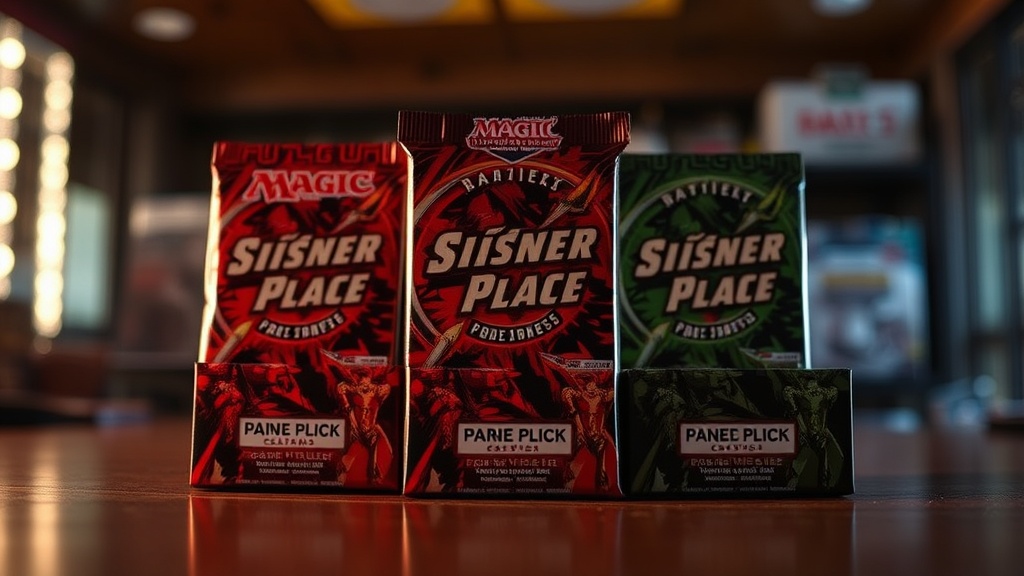
How to Spot Resealed Booster Packs: Red Flags Every Collector Should Recognize

Why Do Resealed Packs Still Fool Experienced Collectors?
Sealed does not mean safe. That glossy wrapper on the vintage booster pack you're eyeing at the card show? It might be hiding disappointment—or worse, a carefully orchestrated scam. Many collectors operate under the dangerous assumption that factory-sealed packs are immune to tampering. They're not. Resealed packs have plagued the trading card market for decades, and the techniques used by scammers have grown disturbingly sophisticated.
This guide walks you through the exact methods professionals use to identify resealed packs before money changes hands. You'll learn what to look for, which tools help, and how to trust your instincts when something feels off. Whether you're hunting for that elusive first-edition pull or just building your collection responsibly, these skills will save you hundreds—sometimes thousands—of dollars in preventable losses.
What Physical Signs Indicate a Pack Has Been Opened?
The first line of defense is your eyes. Start with the crimp—the crimped seal at the top and bottom of most booster packs. Factory crimps have a distinctive pattern: tight, uniform, with a specific wave or diamond texture depending on the manufacturer and era. Pokemon packs from the Wizards of the Coast era, for example, feature a tight crosshatch pattern that's nearly impossible to replicate perfectly. Magic: The Gathering packs from different print runs show similar manufacturing consistency. If the crimp looks loose, irregular, or has visible glue residue, step away.
Next, examine the wrapper's transparency and texture. Original factory wrappers have a specific sheen and thickness. Resealed packs often use replacement wrappers that are either too glossy, too matte, or slightly off in color. Hold the pack up to bright light. Original wrappers diffuse light in a particular way—resealed ones might show wrinkles, inconsistent thickness, or areas where the wrapper doesn't sit flush against the cards inside. The edges deserve scrutiny too. Factory seals have clean, straight lines. Hand-resealed packs might show uneven cuts, extra material, or ragged edges where someone trimmed excess wrapper.
The weight test offers another layer of verification. A digital scale accurate to 0.1 grams becomes your best friend here. Original booster packs from specific sets fall within predictable weight ranges. A TCGPlayer guide on pack weights notes that modern Pokemon packs typically weigh between 20.8 and 21.5 grams depending on whether they contain a holographic card. If a pack weighs significantly less—or suspiciously matches the "heavy pack" profile that guarantees rare pulls—you're likely looking at a search-and-resale situation. Scammers open packs, remove valuable cards, replace them with bulk, and reseal. The weight often betrays this manipulation.
How Can You Protect Yourself When Buying Loose Packs?
Context matters enormously. Where you buy affects your risk exposure. Buying from reputable hobby shops with established community presence reduces your odds of encountering resealed product—but doesn't eliminate it entirely. Even well-meaning shop owners sometimes acquire inventory from secondary sources without verifying pack integrity. Estate sales, eBay lots, and card show tables run by unfamiliar vendors require heightened vigilance. When the price seems too good—say, $30 for a pack that normally sells for $80—your skepticism should spike, not your excitement.
Ask questions. Serious sellers of vintage packs should know provenance. Where did this inventory come from? Was it pulled from a sealed box, or acquired loose? How long have they been in business? A seller who deflects, becomes defensive, or offers vague answers about sourcing deserves scrutiny. The Beckett Grading Services blog emphasizes that documentation and chain of custody become increasingly important as pack values rise. High-end vintage packs—think early Magic: The Gathering or Pokemon Base Set—should ideally come with some form of provenance, even if that's just a credible story about a box break witnessed by multiple collectors.
The "feel" test separates experienced collectors from novices. Handle enough original packs and you develop intuition. Factory-sealed packs have a particular rigidity. The cards inside shift slightly but not excessively. Resealed packs sometimes feel wrong—too loose, too tight, or with cards that seem oddly positioned. The wrapper might crinkle differently when compressed. Trust this tactile feedback. Your hands process information your conscious mind hasn't categorized yet. When a pack feels off, it usually is.
What Tools and Techniques Provide Extra Verification?
Modern collectors have access to tools previous generations lacked. A jeweler's loupe or high-quality phone macro lens reveals details invisible to naked eyes. Study the crimp pattern under magnification. Factory crimps show consistent pressure marks and material fusion. Hand-applied heat seals or glued reseals display telltale irregularities—glue strands, double creases, or areas where the wrapper material shows stress from reheating.
The flashlight test works especially well in dim environments. Shine a bright LED through the pack from behind. Original wrappers diffuse light evenly. You shouldn't see card outlines clearly, though you might detect general positioning. If you can clearly identify specific card locations, edges, or—worst case—gaps where cards seem missing, that's a red flag. Some scammers use "searching" techniques that involve partially opening packs, feeling for holographic card texture, then resealing. These packs often show internal card displacement visible during light testing.
Consider pack orientation too. In factory-sealed packs, cards typically sit in consistent positions. Pokemon packs usually have the rare card fourth from the back (in modern sets) or in predictable positions for vintage releases. Magic packs have their own orientation standards. If cards seem jumbled, reversed, or positioned in ways that suggest hand-repacking, walk away. The PSA Card Blog discusses how pack searching and resealing has evolved into an almost industrial-scale problem for high-value vintage product, making these verification techniques not optional but necessary.
How Should You Respond When You Suspect a Resealed Pack?
Documentation protects you and the community. If you're at a card show or shop and spot questionable packs, photograph them—discreetly if necessary. Note the vendor's information, location, and the specific issues you identified. Share this information with trusted collector communities. Facebook groups, Reddit communities like r/pkmntcg or r/magicTCG, and local hobby forums depend on crowdsourced vigilance to identify bad actors. Your report might save another collector from an expensive mistake.
Know your recourse options. Payment methods matter when buying high-value packs. Credit cards and PayPal Goods & Services offer dispute pathways that cash transactions lack. Sellers demanding cash-only for expensive sealed product should trigger immediate caution. Reputable vendors accept traceable payments because they stand behind their inventory. If you do purchase a pack that turns out resealed, contact the seller immediately. Many will offer refunds to preserve their reputation—though private sellers and fly-by-night operators might disappear.
Finally, adjust your collecting strategy to minimize exposure. Buying sealed boxes rather than loose packs eliminates most resealing risk—though boxes themselves can be resealed, it's far less common and easier to spot. Participating in verified box breaks through established streaming channels offers another alternative. You see the box opened, watch your packs pulled, and receive them still warm from the fresh break. For high-value vintage singles, consider skipping packs entirely and buying graded cards. The premium you pay often equals what you'd spend chasing that card through pack openings—and you get guaranteed authenticity instead of gambling with resealed product.